Introduction
Search “how to earn money online” and you will drown in the same promise, repeated by a thousand different websites in a thousand different fonts: sign up free, complete simple tasks, withdraw unlimited money, no investment needed. Sites like Getlike.io sit squarely in this category, offering to pay you small amounts for liking posts, following accounts, and completing similar social media tasks. The pitch is appealing precisely because it sounds so easy, and that ease is exactly why it deserves a closer, more honest look before you spend your time on it.
This article is that closer look. Not a promotion, not a warning to avoid the whole category entirely, but an honest walk through how these earning platforms actually work, what people who have used them are actually saying, what realistic earnings look like, and how to protect yourself if you decide to try one anyway. By the end, you should be able to make a genuinely informed decision rather than a hopeful one.
How These “Earn Money by Completing Tasks” Sites Work
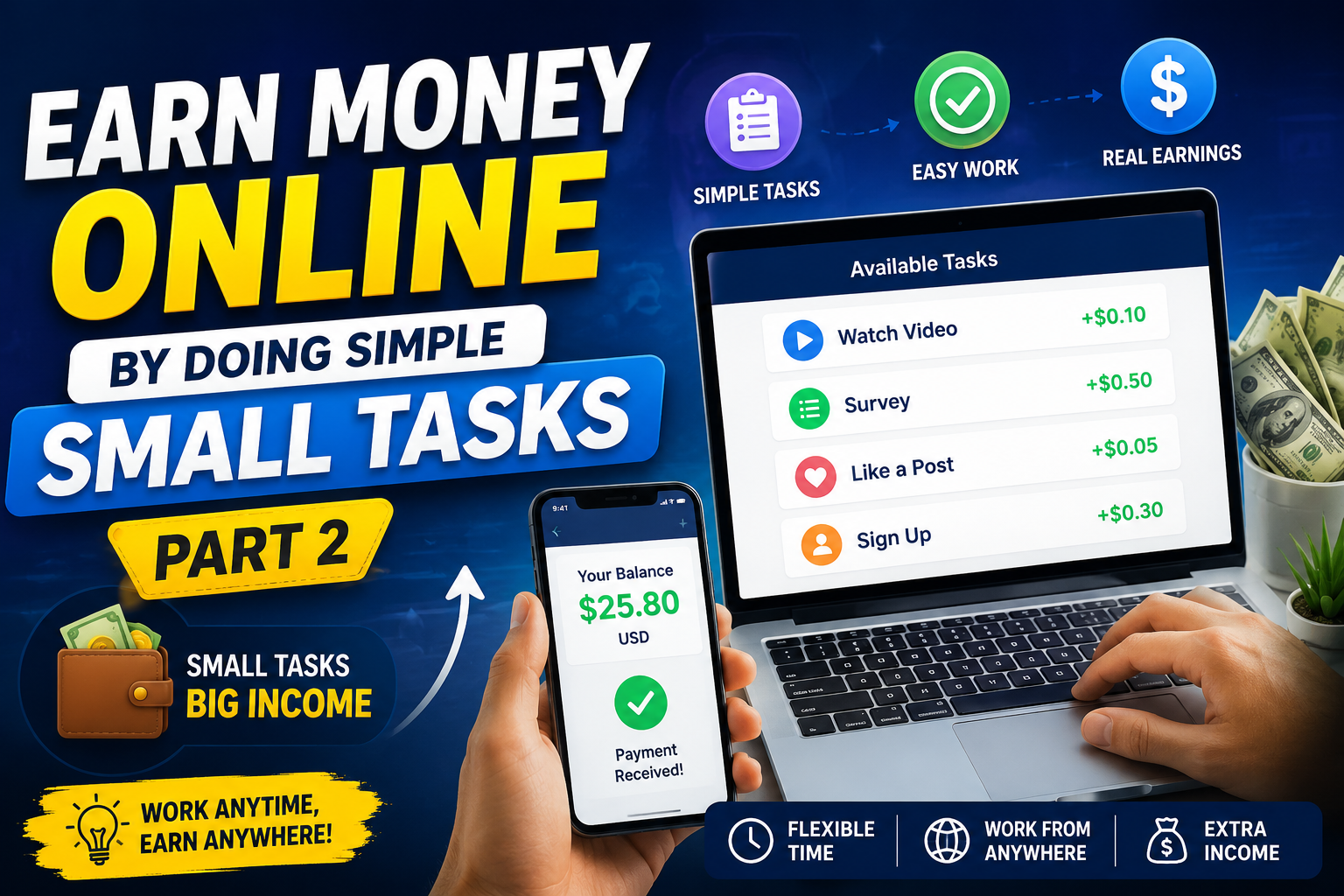
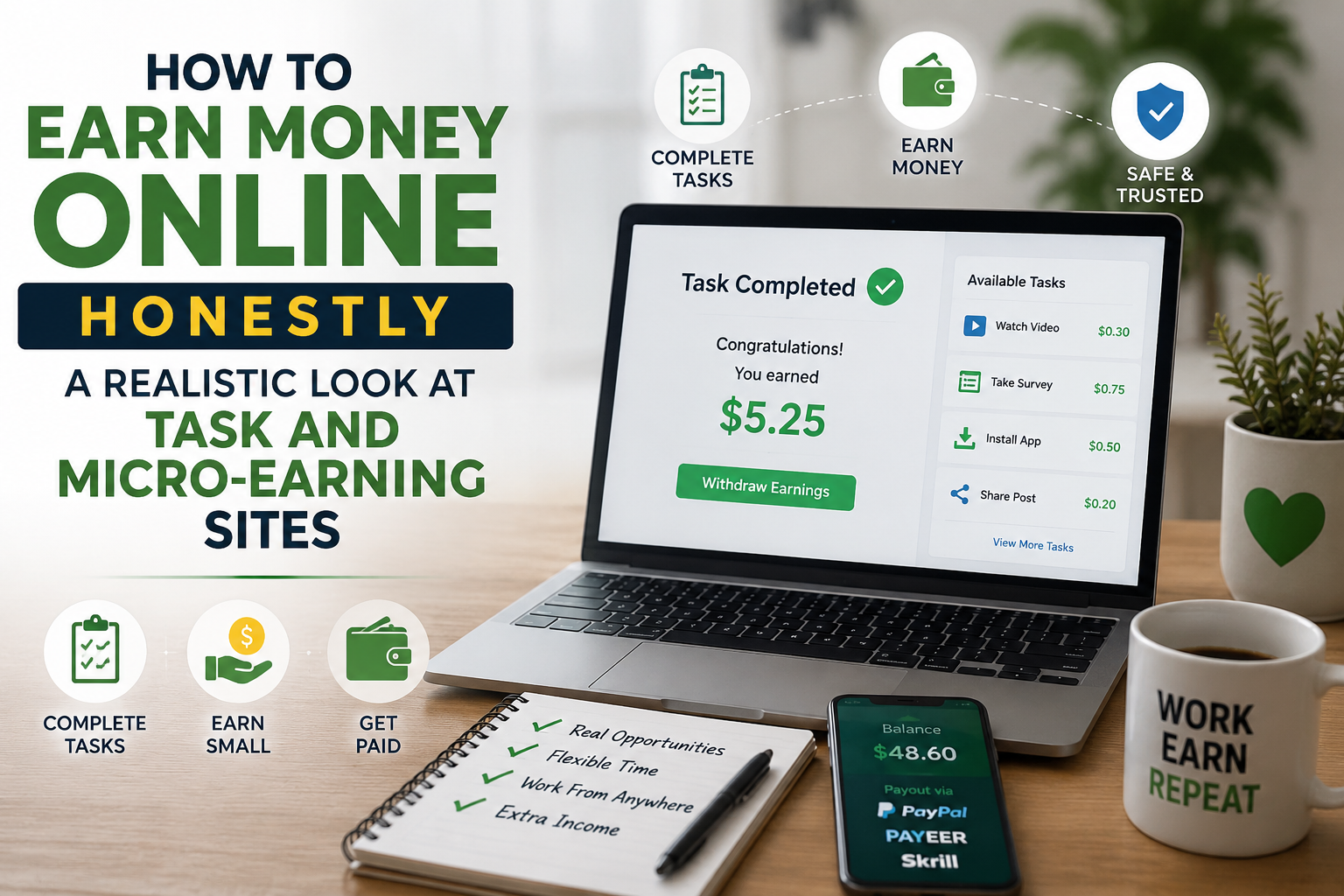
Platforms like Getlike.io operate as a marketplace connecting two kinds of users. On one side are people or businesses who want to grow their social media presence, more likes, followers, comments, or views, and are willing to pay small amounts for it. On the other side are users willing to complete those simple actions, following an account, liking a post, leaving a comment, in exchange for a small payment, typically a few cents per task.
The business model is straightforward: the platform takes a cut of the money changing hands, buyers get engagement on their social accounts, and task-completers earn tiny amounts that accumulate over many repetitions. There is usually a minimum withdrawal threshold, often a few dollars, below which your earnings sit in the platform’s system rather than in your pocket. This structure is not inherently dishonest; it describes a genuine, if modest, gig economy niche that has existed in various forms for years, sometimes called microtasking or paid-to-click work.
The Honest Reality: What Users Are Actually Reporting
Here is where the closer look becomes necessary, because the marketing pitch and the user experience often diverge, and Getlike.io is a useful case study precisely because its user reviews are so mixed.
On review platforms, feedback on Getlike.io splits into two clear camps. Some users report a functioning, if modest, experience: they complete tasks, reach the minimum withdrawal, and receive a small payment, describing it in terms of a few dollars or the local equivalent, enough to acknowledge the platform works as described for them. Other users report a starkly different experience: money paid in for services like followers or likes that were never fully delivered, withdrawal requests submitted and then rejected or left pending indefinitely, and customer support that goes unanswered across repeated attempts to make contact. Several reviews describe this pattern explicitly, paying for a service, receiving little or nothing, and getting no meaningful response when raising the issue.
This split matters more than either extreme alone. A platform with universally scam-like reviews is easy to dismiss and avoid. A platform with a genuine mix, some satisfied users, some describing real financial loss and unresponsive support, is harder to evaluate and precisely the kind of situation where informed caution serves you better than either blind trust or blanket avoidance. The honest conclusion is not “Getlike.io is a scam” or “Getlike.io is safe.” It is that the platform carries real, documented risk alongside its real, documented functionality, and any decision to use it should be made with that risk clearly in view, not hidden behind marketing language.
What Realistic Earnings Actually Look Like
Even setting the payment-reliability concerns aside, it is worth being honest about the scale of money involved, because this is where the marketing gap is widest. Tasks on platforms like this typically pay a few cents each. Reaching even a modest minimum withdrawal, often in the range of a couple of dollars, requires completing dozens of tasks. Turning this into anything resembling a meaningful income requires either an enormous volume of tasks or referring other users, and referral-based earning has its own well-known problems, since it rewards recruiting more than it rewards the underlying work.
For someone in a country where a few dollars stretches further, or for someone treating it purely as pocket money during genuinely idle time, this can have some real, if small, value. For anyone hoping it will meaningfully supplement a household income or replace lost work, the honest math rarely supports that hope, and the platforms’ own marketing, unlimited money, easy income, is written to obscure exactly this math rather than clarify it.
Red Flags Worth Knowing, on Any Earning Platform
Whether or not you try Getlike.io specifically, these are the warning signs worth carrying into any similar site, because the category as a whole attracts both legitimate small operators and outright scams, and the two can look identical at first glance.
Be cautious of any platform that asks you to pay money upfront to unlock earning opportunities, a legitimate task platform pays you, it does not charge you to start. Watch for withdrawal thresholds that keep moving or conditions that appear only after you have already invested significant time, since this is a common tactic to keep users completing free tasks indefinitely without ever successfully cashing out. Take unresponsive customer support seriously as a signal, not an inconvenience; a platform handling real money that cannot be reached when something goes wrong is telling you something important about how it will treat your money. And be skeptical of any income claims that sound closer to a lottery than a job, unlimited earnings, guaranteed income, and similar language, since real microtask work is, almost by definition, small and limited.
Protect yourself practically as well. Never provide banking passwords or sensitive financial credentials beyond what is genuinely required to receive a payment. Start with the smallest possible commitment of time before judging whether a platform actually pays reliably, treat your first withdrawal attempt as the real test rather than the platform’s own claims. And keep records, screenshots of completed tasks, payment confirmations, and support conversations, since these are exactly what you will need if a dispute arises later.
Legitimate Ways to Earn Online, Briefly
Since the goal here is genuine usefulness rather than simply a warning, it is worth naming a few categories of online earning that tend to have clearer value than micro-task platforms, even though none of them offer the unlimited-money promise.
Freelancing platforms connecting your existing skills, writing, design, data entry, virtual assistance, with clients directly paying for real work tend to offer far better pay per hour than task completion, though they require some initial effort to build a profile and reputation. Selling something, whether a physical product, a digital product, or a service, puts you in a direct, transparent exchange rather than a platform’s opaque task economy. And content creation, on platforms that pay creators directly through advertising revenue or subscriptions, is slower to build but can become genuinely sustainable, precisely because it rewards ongoing value rather than repetitive micro-actions. None of these are quick, and that slowness is itself an honest signal: earning online sustainably almost always looks more like a skill or a small business than a task list, and any pitch promising otherwise deserves the scrutiny this article has tried to model.
Website Link Is hereConclusion
Platforms like Getlike.io occupy a genuinely gray area: not a clear scam, since real users report real, if small, payments, but not a reliable income either, given the documented pattern of unpaid withdrawals and unresponsive support alongside the working experiences. The honest advice is neither breathless promotion nor blanket dismissal. If you choose to try a platform like this, go in with realistic expectations of small, occasional amounts rather than meaningful income, treat your first withdrawal as the true test of whether the platform delivers what it promises, never pay money upfront, and keep your personal and financial information as guarded as you would on any site handling real payments. And if your goal is genuinely earning online rather than testing an interesting platform, the freelancing and skill-based routes, slower and less flashy, carry far better odds of turning into something real.
This article is written for general informational purposes and does not constitute financial advice. Online earning platforms carry real risks, including the potential loss of time and, in some cases, money, and individual experiences vary. Do your own research, start small, and never risk more time or money than you are comfortable losing entirely.
Frequently Asked Questions
Is Getlike.io legitimate or a scam? The honest answer is that it is neither clearly legitimate nor a straightforward scam. User reviews are genuinely mixed: some report successful small payments, while others describe paying for services not fully delivered, rejected or pending withdrawals, and unresponsive customer support. Treat it as a platform with real documented risk, and test it cautiously with minimal investment of time or money before trusting it further.
How much money can you realistically earn on task-completion platforms? Typically very little. Individual tasks usually pay a few cents, and reaching even a modest withdrawal minimum requires completing many of them. For most users, this amounts to occasional pocket money rather than meaningful income, regardless of what a platform’s marketing claims.
What are the biggest red flags on an earning platform? Being asked to pay money upfront, withdrawal conditions that keep changing or appearing late, unresponsive customer support when problems arise, and marketing language promising unlimited or guaranteed income. Any one of these is worth pausing over; more than one is a strong reason for caution.
Is it safe to give my bank details to sites like Getlike.io? Only provide the minimum information genuinely required to receive a payment, and avoid sharing banking passwords or sensitive credentials beyond that. Treat any earning platform the way you would treat an unfamiliar online store: verify what is truly necessary before entering financial information.
What are better alternatives to task-completion sites for earning online? Freelancing based on an existing skill, selling a product or service directly, and building content that earns through advertising or subscriptions all tend to offer better and more transparent returns than micro-task platforms, though they require more upfront effort and patience. They are slower, but that slowness usually reflects a more genuine, sustainable form of income.